What Is Stamped Concrete and How Does It Work?
People searching for stamped concrete installation are typically looking to enhance their surfaces with decorative, durable patterns, and local contractors can help achieve this look effectively.
If you’ve been exploring options to enhance the appearance and durability of outdoor surfaces, understanding what is stamped concrete and how does it work can be a valuable starting point. Stamped concrete offers a versatile way to mimic the look of natural stone, brick, or slate, making it a popular choice for patios, walkways, and driveways. Property owners in the area often turn to local contractors for installation because of their expertise in creating customized patterns and textures that complement existing landscape designs. Keep reading to discover how this decorative concrete technique might be a practical solution for your outdoor space.
Knowing the basics of stamped concrete can help property owners make informed decisions about upgrading their exteriors. This technique involves pouring concrete and then impressing patterns and colors into the surface to achieve a specific aesthetic. Local service providers who specialize in stamped concrete installation have the skills to bring these designs to life, ensuring a durable and attractive finish. Whether you’re considering a new driveway or a stylish patio, learning how stamped concrete works can clarify how it might fit into your project goals and inspire ideas for your property’s transformation.
- Stamped concrete installation services are ideal when homeowners want to replicate the look of natural stone, brick, or tile in their outdoor spaces, and local contractors use specialized techniques to achieve realistic patterns and textures. When designing decorative driveways, patios, or walkways, local pros approach the work by preparing the concrete surface thoroughly and applying stamping methods that ensure durability and aesthetic appeal. For projects requiring customized patterns or colors, local service providers can help select appropriate finishes and execute the stamping process to match specific design preferences. When existing concrete needs enhancement or replacement, experienced contractors can provide stamped overlays that transform the appearance without complete removal. For those curious about what is stamped concrete and how does it work, local pros can explain the process and help determine the best approach for each project.
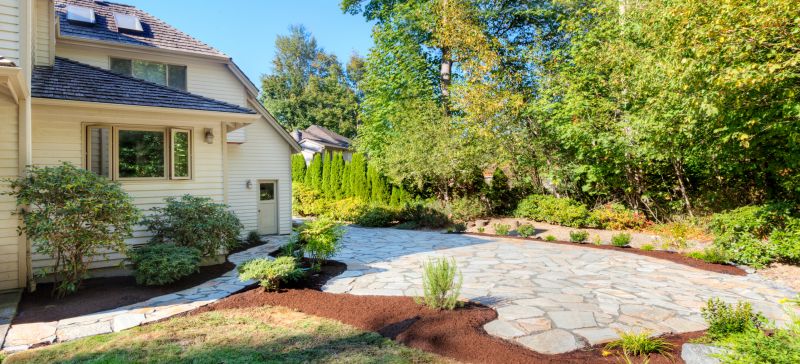
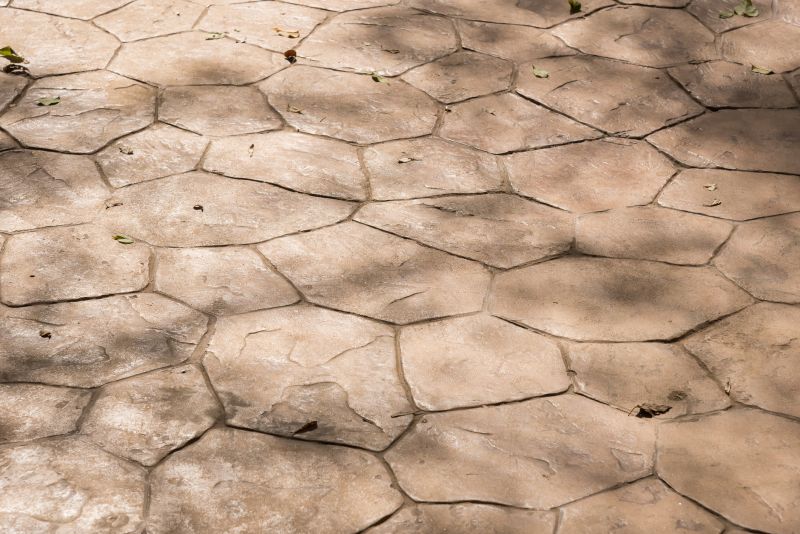
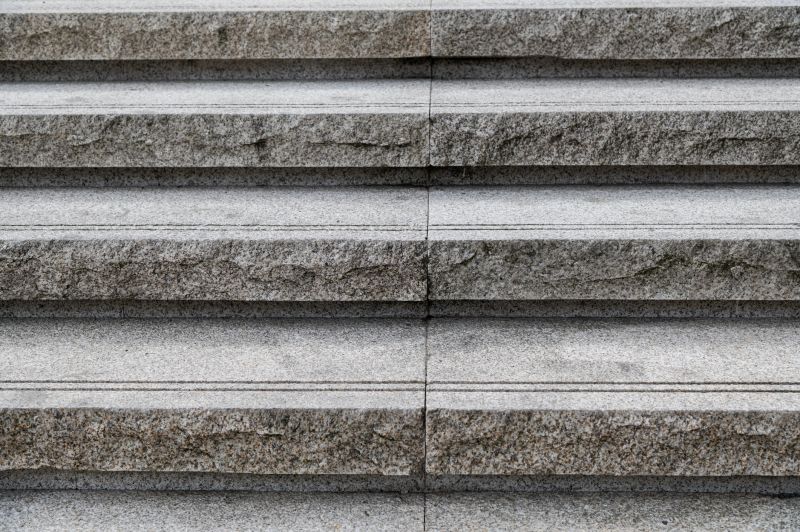
When people search for what is stamped concrete and how does it work, they are often exploring options for enhancing the appearance of their outdoor surfaces. This type of concrete is popular for creating decorative patios, driveways, walkways, and pool decks that mimic the look of more expensive materials like stone, brick, or slate. Homeowners interested in stamped concrete are usually looking for a way to add visual appeal to their property while maintaining durability and ease of maintenance. Understanding how stamped concrete is made and installed helps homeowners envision how it can fit into their renovation or landscaping plans, especially when working with local contractors who specialize in this decorative technique.
Stamped concrete relates to projects that aim to combine functionality with aesthetics. It is frequently chosen for outdoor spaces where a durable, long-lasting surface is needed, but with a customized look. Common problems that lead homeowners to consider stamped concrete include replacing worn-out or unattractive concrete surfaces, upgrading plain concrete slabs, or creating a cohesive design theme across multiple areas of a property. Whether planning a new patio or refreshing an existing driveway, property owners often turn to stamped concrete to achieve a high-end appearance without the expense of natural stone or pavers. Local service providers can help evaluate these needs and recommend the best approach to incorporate stamped concrete into a property’s overall design.
The types of properties that typically feature stamped concrete include residential homes, commercial buildings, and public spaces. In residential settings, it is often used for patios, pool surrounds, and walkways that boost curb appeal and outdoor usability. Commercial properties might incorporate stamped concrete in parking lots, storefront entrances, or outdoor seating areas to create a welcoming and professional look. Public parks and community spaces also use stamped concrete for pathways and plazas that require both durability and visual interest. The versatility of stamped concrete allows it to adapt to various property types, with local contractors offering tailored installation services that meet specific design preferences and functional requirements.
When considering stamped concrete, homeowners often want to understand how the process works and what role local installation professionals play. The process begins with preparing the existing concrete surface, ensuring it is clean and properly graded. A concrete mixture is then poured, and while still wet, a patterned stamp is pressed into the surface to create textured, decorative impressions. After the concrete sets, additional coloring and finishing techniques are applied to enhance the realistic appearance of materials like stone or brick. Local pros bring expertise in selecting the right patterns, colors, and finishes to match a property’s style, as well as ensuring the work is completed smoothly and effectively. Their involvement is key to achieving a durable, attractive result that elevates the property’s overall look.
Concrete Patio Projects - Installing stamped concrete patios requires skills in surface preparation and decorative finishing, similar to stamped concrete work.
Driveway Paving Services - Creating durable and visually appealing driveways involves techniques related to stamping, patterning, and surface sealing.
Walkway and Pathway Installations - Designing stamped walkways demands precision in pattern application and surface texturing, akin to stamped concrete processes.
Pool Deck Surfaces - Applying stamped concrete around pools involves surface preparation and decorative techniques that local contractors frequently use.
Interior Decorative Flooring - Some interior projects utilize stamped concrete-like finishes to achieve textured, patterned surfaces indoors.
Commercial Exterior Surfaces - Large-scale stamped concrete projects for commercial spaces require planning and skills similar to residential stamped concrete installations.
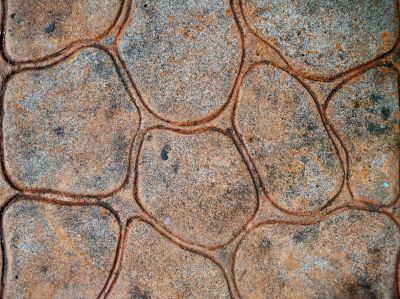
When comparing service providers for stamped concrete installation, it is important to consider their experience with similar projects. Contractors who have a proven track record working on stamped concrete surfaces can better understand the specific techniques and materials needed to achieve the desired look and durability. Homeowners should inquire about the types of projects the contractor has completed, paying attention to those that resemble their own in scope and complexity. An experienced local contractor is more likely to anticipate potential challenges and provide solutions that ensure a successful outcome.
Clear, written expectations are essential when evaluating stamped concrete installation services. A reputable service provider will be able to articulate the process, materials used, and the scope of work in detail. This transparency helps homeowners understand what to expect throughout the project and minimizes misunderstandings. When discussing options, homeowners should seek out contractors who are willing to provide detailed proposals or written estimates that outline the steps involved, the finishes available, and any necessary preparations. Well-documented expectations foster better communication and help ensure the project aligns with the homeowner’s vision.
Reputable references and effective communication are key factors in selecting a qualified local contractor for stamped concrete work. Pros with a history of satisfied clients can offer insights into their reliability, craftsmanship, and professionalism. Contacting previous customers or reviewing testimonials can provide a clearer picture of the contractor’s ability to deliver quality results. Additionally, good communication throughout the process-such as prompt responses to questions and clarity about timelines-indicates a contractor who values transparency and customer satisfaction. These qualities can help homeowners feel more confident in their choice and facilitate a smoother installation experience.
Property owners often search for what is stamped concrete and how does it work? when they are planning practical projects around their homes and businesses. Local pros provide Stamped Concrete Installation services for everyday jobs and straightforward project options.
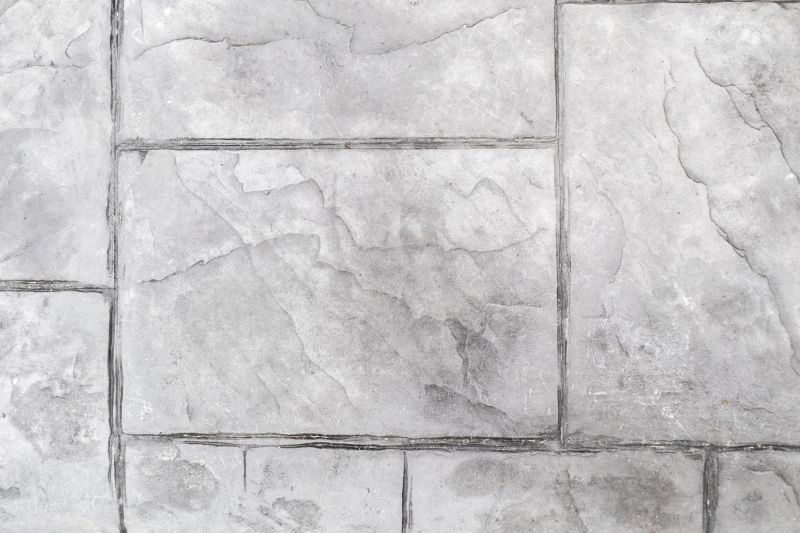
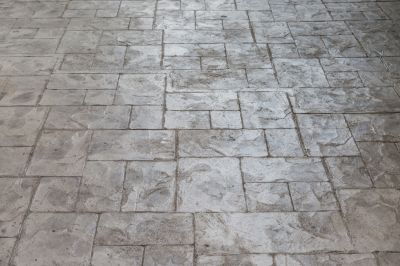
Stamped concrete is a popular choice for property owners looking to enhance their outdoor spaces with a decorative touch. It involves pouring a concrete slab and then impressing patterns or textures onto the surface before it fully sets. This process creates the appearance of materials like stone, brick, or tile, offering a stylish and durable finish for driveways, patios, walkways, and more. Homeowners often search for information on what is stamped concrete and how does it work to better understand how this technique can improve their property's curb appeal and functionality.
When considering stamped concrete installation, many property owners turn to local contractors who specialize in decorative concrete work. These service providers can help determine the best patterns and colors to match the property's style, as well as ensure the proper application process. By working with experienced local pros, property owners can achieve a professional-looking result that adds value and visual interest to their outdoor areas. Exploring options for stamped concrete installation is a practical step for those interested in combining aesthetic appeal with long-lasting construction.
What is stamped concrete and how does it work? Stamped concrete is a decorative surface created by pressing patterns and textures into freshly poured concrete, giving it the appearance of materials like brick, stone, or slate. Local contractors apply specialized stamps to the surface before the concrete fully sets, resulting in a durable and visually appealing finish.
How do local contractors install stamped concrete? Installation involves preparing the concrete surface, pouring and leveling the concrete, and then pressing the patterned stamps into it while still workable. After the stamps are removed, the surface may be colored or sealed to enhance its appearance and longevity.
What materials are used in stamped concrete? The process typically uses standard concrete combined with color additives and sealers. These materials help achieve realistic textures and vibrant colors that mimic natural stone or brick surfaces.
Can stamped concrete be customized to match specific styles? Yes, local service providers can customize stamped concrete with various patterns, textures, and colors to complement the overall aesthetic of a property, creating a tailored look.
What are the benefits of choosing stamped concrete for installation? Stamped concrete offers a versatile, durable, and low-maintenance surface that enhances curb appeal. Local pros can help ensure proper installation for a long-lasting decorative finish.
Design ideas for outdoor spaces - Property owners can explore stamped concrete to create decorative patios, walkways, or pool decks with unique patterns and textures.
Enhancing curb appeal - Local contractors can help transform plain concrete surfaces into visually appealing features that complement the style of a home or garden.
Customizing surfaces for functionality - Stamped concrete can be tailored for different uses, such as textured driveways or decorative flooring in outdoor entertainment areas.
Matching existing landscape features - Property owners can coordinate stamped concrete patterns and colors to blend seamlessly with landscaping and architectural elements.
If you are thinking about what is stamped concrete and how does it work? for a property, this guide is meant to help you understand this topic, the typical project types, and how different options might fit your plans.
When you are ready, you can use the quote form on this page to share a few details about your project. From there, local pros can review the basics and follow up with options that match what you have in mind.